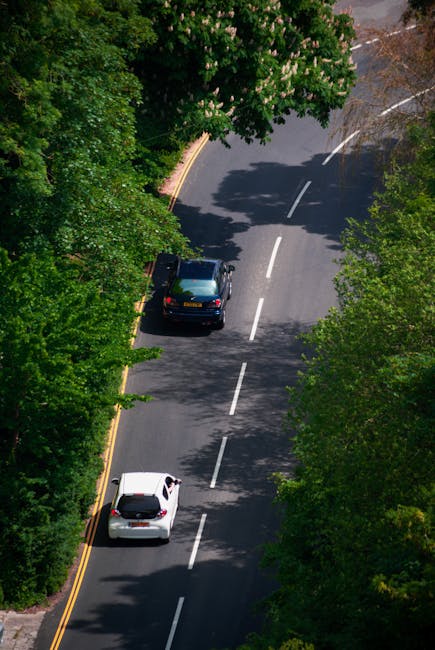
Moving into Old Coulsdon top access tips for tricky drives
Old Coulsdon has a lot going for it: quieter residential streets, a village feel, and enough greenery to make the journey feel less like London and more like the edge of somewhere calmer. But if you are moving there, especially with a larger van or a full house load, the access can be a bit of a faff. Narrow turns, parked cars, sloping drives, hedges that seem to have grown overnight, and the occasional awkward corner can all slow things down. That is where Moving into Old Coulsdon top access tips for tricky drives really matter.
This guide is built to help you avoid the usual moving-day headaches. You will find practical ways to assess access, plan vehicle positioning, protect property, and reduce delays before they happen. We will also cover the small details people often miss, like where to stage boxes, how to manage fragile items on a steep drive, and when it makes sense to use a smaller vehicle or a local man with a van in Coulsdon instead of trying to force a larger lorry into a tight space. Truth be told, a little planning goes a very long way here.
If you are comparing support options or just want a sense of the wider service picture, the services overview is a sensible place to start, and the team's about us page is useful if you want to understand how they work on local moves. Now, let's get into the real-world stuff.
Table of Contents
- Why Moving into Old Coulsdon top access tips for tricky drives Matters
- How Moving into Old Coulsdon top access tips for tricky drives Works
- Key Benefits and Practical Advantages
- Who This Is For and When It Makes Sense
- Step-by-Step Guidance
- Expert Tips for Better Results
- Common Mistakes to Avoid
- Tools, Resources and Recommendations
- Law, Compliance, Standards, or Best Practice
- Options, Methods, or Comparison Table
- Case Study or Real-World Example
- Practical Checklist
- Conclusion
- Frequently Asked Questions
Why Moving into Old Coulsdon top access tips for tricky drives Matters
Access is one of those moving-day details that sounds minor until it becomes the whole day. In Old Coulsdon, the issue is not usually distance. It is layout. Some homes have drives that are steep, narrow, partially shared, or awkwardly angled. Others sit on streets where passing space is limited, so a van may need careful positioning to avoid blocking neighbours or catching kerbs on the way in.
Why does that matter? Because access affects almost everything: how long loading takes, how many crew members are needed, whether furniture can be carried safely, and whether items arrive intact. A sofa that slides neatly through a broad driveway can become a two-person puzzle on a tight incline. A mattress that was easy in the old house may feel strangely bulky when you are turning it around a gate post and stepping over a hosepipe. Simple, but very real.
It also affects stress. The moving process already asks a lot of you. If the access plan is weak, the day tends to unravel in small ways: a van arrives and cannot pull in properly, boxes are left on the pavement, or the crew has to keep adjusting because the route from van to front door is longer than expected. That is where local knowledge helps. A team familiar with removals in Coulsdon will usually think ahead about street width, turning space, and how best to protect the property while still staying efficient.
To be fair, tricky drives are not automatically a problem. They are only a problem when nobody plans for them. And that is exactly what this article is about.
How Moving into Old Coulsdon top access tips for tricky drives Works
The basic idea is straightforward: you match the move plan to the access available, rather than trying to make the access fit the plan. That means checking the driveway, the route from road to front door, and the size of the vehicle before moving day. It also means deciding where to park, where to stage items, and whether you need extra equipment or a smaller vehicle.
In practical terms, a good access plan usually works in five stages:
- Measure the route from the road to the property entrance, including bends, slopes, gates, and any tight corners.
- Match the van size to the space available, instead of assuming bigger is better.
- Identify pinch points such as low branches, overhanging bricks, kerbs, or gravel that may cause slipping.
- Decide the staging area for boxes and furniture, so items are not left scattered around the pavement or blocking the drive.
- Protect surfaces and people with the right lifting technique, floor coverings, and communication during loading.
That last point sounds obvious, but it is often where things go wrong. A wet drive in the morning, a couple of awkward steps, and suddenly everyone is moving a bit more slowly than planned. Nothing dramatic. Just enough to create delays if nobody is paying attention.
In some cases, a removal van in Coulsdon is the best fit because it offers flexibility without the footprint of a larger lorry. In others, a full house move may still need a bigger vehicle, but with timed loading, a spotter, or a short carry from the roadside. The trick is not perfection; it is choosing the least risky, most practical setup for the property.
Key Benefits and Practical Advantages
Good access planning does more than save time. It improves the whole moving experience in ways people often notice only after the fact.
- Fewer delays: If the crew knows where the van can safely stop, there is less shuffling around on the day.
- Lower damage risk: Tight spaces are where scrapes happen - on gates, walls, doorframes, and the odd forgotten plant pot.
- Better lifting safety: A short, clear route means less twisting, less back strain, and fewer near-misses.
- More accurate pricing and timing: If access is hard, honest planning helps avoid surprise labour time or rushed decisions.
- Less neighbour friction: No one enjoys turning up and blocking a shared drive at 8:00 on a weekday morning.
There is also a calmer emotional benefit. When access is mapped out properly, the day feels controlled. You are not improvising every five minutes. You know where the van goes, who is carrying what, and whether the dining table needs to come out before the wardrobe. That kind of predictability matters more than people think.
If you are still in the early planning stage, a few of the company's guides can help with the wider move itself. For instance, efficient packing tips make the load easier to handle, while decluttering before the move reduces the number of awkward items that need carrying through tight access points. A lighter move is usually a smoother move. Simple as that.
Who This Is For and When It Makes Sense
This advice is especially useful if any of the following sound familiar:
- You are moving into a house with a steep or narrow driveway.
- Your driveway has a gate, low wall, hedge, or limited turning space.
- You live on a street where parking close to the property may be difficult.
- You are moving bulky furniture, appliances, or fragile items.
- You are booking a removal service and want to avoid on-the-day surprises.
- You are moving with children, pets, or neighbours close by, so timing matters.
It also makes sense for landlords, tenants, and homeowners who are arranging a partial move rather than a full house move. A student moving into a shared property in the area, for example, may only have a few big items but still face the same access challenge if the driveway is narrow and the street is busy. For that kind of move, a smaller setup through student removals in Coulsdon can be a better fit than trying to overcomplicate things.
And if you are moving a flat rather than a house, access planning matters in a different way. Stairwells, communal entrances, and parking restrictions can make the route just as tricky, even without a long driveway. In that case, flat removals in Coulsdon can be worth exploring.
Who is this not for? Honestly, if your access is wide, flat, and uncomplicated, you probably need only basic move-day preparation. But most people in Old Coulsdon know there is usually at least one little challenge. One little slope. One awkward turn. One drive that looks fine until a van actually tries to use it.
Step-by-Step Guidance
Here is a practical way to plan a move into a property with tricky access. Nothing fancy. Just a sensible sequence that reduces problems.
1. Walk the route before moving day
Do a slow walk from the road to the front door. Look up as well as down. Overhanging branches, low cables, and tight porch roofs can be easy to miss when you are focused on boxes. Check whether the path gets slippery when wet or whether the slope feels steeper than you remembered.
2. Measure the tight spots
You do not need surveyor-level precision, but rough measurements help. Note the width of gates, the narrowest point on the drive, and the height clearance if there is a canopy or tree cover. If a wardrobe or fridge is being moved, those dimensions matter. A lot.
3. Decide where the van will park
This is often the difference between a smooth job and a scrambled one. If the driveway is too steep or too tight, the safest option may be roadside parking with a shorter carry. If the road is busy, ask whether a smaller vehicle would reduce disruption. Sometimes the lesser vehicle wins, hands down.
4. Clear the access path
Move bins, planters, bikes, loose gravel, and anything that could trip a carrier or scrape the van. If you have young kids around, put toys away too. A tiny plastic spade left in the wrong place can become a surprisingly annoying obstacle.
5. Protect the surfaces
Use floor protection where items will be carried in and out. This is especially helpful if rain is forecast or if the drive is gravel, which tends to shift underfoot at the worst moment. Protective covers can also reduce dirt being tracked into the home.
6. Load in the right order
Put the heaviest and least fragile items in first, then work outward with easier loads. If the access route is awkward, you want the biggest items out of the way before everyone gets tired. Items like beds and wardrobes often benefit from being dismantled first; the company's bed and mattress moving guide is useful if you are handling those pieces.
7. Keep communication simple
One person should direct the flow at any one time. Too many voices cause hesitation, and hesitation causes accidents. A quick "wait," "lift," or "careful on the slope" can be enough.
8. Check the finish
Before the van leaves, do a final look for scuffs, dropped fittings, or items left by the gate. People often rush this bit. Don't. The last five minutes can save a headache later.
Expert Tips for Better Results
Here is where a few small improvements can make the day noticeably easier.
- Use a spotter for reversing and tight turns. Even experienced drivers appreciate a second pair of eyes when a driveway is tight or hidden by hedges.
- Keep a "first out, last in" pile near the entrance. Items needed immediately should not be buried under seasonal boxes.
- Break down bulky furniture before it reaches the drive. That includes beds, table legs, and loose shelving where possible.
- Check weather and light levels. A damp drive at dusk can be very different from a dry one at midday. The later in the day you go, the more it matters.
- Pad edges and corners. On narrow access routes, most damage happens at the corners, not the middle of the item.
- Use the right crew size. Too few people creates strain. Too many can create congestion in a confined space. Balance is the point.
A small but important tip: if the driveway is long but the house access is easy, stage items in logical zones rather than carrying them one by one straight to the van. That sounds basic, but it saves loads of back-and-forth. And lets face it, nobody wants to do extra steps for no good reason.
If you are moving valuables or specialist items, use tailored advice rather than general packing guesses. For example, the piano removals service is relevant when access is delicate and the item cannot be tilted or rushed. Likewise, the guide on moving a piano safely gives a good sense of why special handling matters.
Common Mistakes to Avoid
Most access problems are predictable. That is the annoying part. Here are the big ones to avoid.
- Assuming a van will fit because a car does. Very different turning circles. Very different consequences.
- Forgetting that gates and walls reduce usable space. A tight opening is more than just a width issue; angles matter too.
- Leaving cars on the street and hoping for the best. If neighbours cannot pass, the whole mood of the move changes quickly.
- Ignoring surface conditions. Wet gravel, loose slabs, or a frosty drive can turn a simple carry into a slippery one.
- Underestimating bulky items. Sofas and mattresses look manageable in a room. On a narrow drive, they can feel twice their size.
- Not checking insurance and handling procedures. If something does go wrong, you want to know how it is being dealt with.
Another common mistake is leaving access discussion until moving day. By then, it is too late to rethink the vehicle size or reposition the crew. If you know the drive is tight, say so early. No drama. Just useful information.
Tools, Resources and Recommendations
You do not need a toolbox full of specialist kit, but a few things make tricky access noticeably easier.
- Measuring tape or laser measure: Helps confirm gate widths, driveway slopes, and furniture dimensions.
- Protective blankets and corner guards: Useful for protecting walls, banisters, door frames, and furniture edges.
- Wheelie bins or staging tubs: Handy for temporary holding areas near the entrance.
- Strong gloves and grip footwear: Essential on uneven or damp surfaces.
- Trolley or sack truck: Great for boxes and smaller appliances, though not ideal on very steep or rough drives without care.
- Torches or headlamps: Surprisingly useful if access is tight and the move ends later than planned.
For preparation work, a few related guides can help. If you want to reduce load volume, read how decluttering can simplify your move. If packing is the bigger issue, the packing and boxes in Coulsdon page is a practical place to look. And if you need somewhere to hold items before or after move day, storage in Coulsdon may be useful, especially when access and timing do not line up neatly.
One more thing: a well-planned move is often less about one hero tool and more about a decent set of small helpful choices. It is not glamorous. But it works.
Law, Compliance, Standards, or Best Practice
For domestic removals, there is usually no complicated legal process tied specifically to driveway access. But there are still important best practices and responsibilities that matter.
Road use and parking: If a vehicle needs to stop on a public road, the driver should do so carefully and legally, with proper consideration for traffic, visibility, and access for others. Local restrictions, yellow lines, or resident-only parking may affect where a van can wait.
Manual handling: In the UK, safe lifting and carrying should follow recognised manual handling practice. That means avoiding unnecessary strain, assessing the route before lifting, and using more than one person for heavy or awkward items where needed. This is especially relevant on slopes or narrow paths.
Property care: Good movers protect floors, walls, and entry points. This is not just courtesy. It is part of sensible risk reduction and helps keep the move under control.
Insurance and communication: If a move has awkward access, it is best practice to discuss it before the day so everyone understands the risks and the plan. If you are unsure what cover or process applies, the page on insurance and safety is worth reading.
For businesses and customers alike, transparency helps. If you want to understand how terms are handled, you can also review the company's terms and conditions and health and safety policy. That may sound dry, but on a tricky access day, the dry stuff is often the bit that keeps everyone calm.
Options, Methods, or Comparison Table
If you are deciding how to approach a move with awkward access, these common options are worth comparing.
| Approach | Best for | Pros | Trade-offs |
|---|---|---|---|
| Large removal van | Clear access, bigger loads, fewer trips | Efficient for volume, fewer journeys | May struggle on tight drives or narrow streets |
| Smaller removal van | Steep, narrow, or constrained access | Easier manoeuvring, less disruption | May require more trips or tighter loading discipline |
| Mixed vehicle approach | Properties with road-side loading and awkward final approach | Flexible, practical, often safer | Needs more coordination |
| Professional packing plus access planning | Busy households, fragile items, complex move days | Less stress, better handling, fewer surprises | Requires more planning upfront |
In many Old Coulsdon moves, the mixed or smaller-vehicle approach wins because it matches the reality of the street rather than the ideal version of it. That does not mean bigger is bad. It just means access comes first. Always.
Case Study or Real-World Example
Here is a realistic example from the kind of move that comes up often in this area.
A couple moving into a detached home in Old Coulsdon had a driveway that looked generous in photos, but the entrance narrowed near the road and the turning angle was awkward because of a hedge and a wall. On paper, a larger van seemed fine. In reality, it would have needed several forward-and-back adjustments just to get into place, and the carry from the road to the door would have been longer than expected.
Instead of forcing the issue, the move was planned with a smaller vehicle, pre-cleared access, and a staged loading system. Heavier furniture went in first. Boxes were grouped by room. A helper stood at the entrance to direct movement, and the driveway surface was kept clear of loose items. The result? Less noise, fewer delays, and no scraped wall corners.
The couple later said the best part was not the speed, oddly enough. It was that they could arrive, breathe for a minute, and not spend the whole morning worrying whether the van would fit. That calm feeling is worth a lot on moving day. A lot.
This is the point where many people realise that access planning is not a "nice to have." It is the difference between a move that feels organised and one that feels like a chain of small recoveries.
Practical Checklist
Use this checklist the day before and the morning of the move.
- Confirm the driveway width and turning space.
- Check for low branches, gates, walls, or overhead obstacles.
- Decide where the van will park and whether roadside loading is needed.
- Remove bins, bikes, plants, and loose items from the route.
- Protect floors and high-risk edges.
- Separate fragile boxes from heavy or awkward ones.
- Keep tools, screws, and spare fittings in one clearly labelled bag.
- Make sure someone is available to direct the vehicle if access is tight.
- Check weather conditions and consider the effect of rain or frost on the drive.
- Share any special instructions with the moving team early.
Expert summary: The safest way to handle a tricky Old Coulsdon drive is to plan for the access you actually have, not the access you hope you have. Measure, simplify, stage, and keep the route clear. That alone prevents a surprising amount of stress.
If you are still comparing support options, it may help to speak directly with the team via the contact page or review pricing and quotes before you book. Clear information at the start usually saves time later.
Get a free quote today and see how much you can save.
Conclusion
Moving into Old Coulsdon does not have to be difficult, even if the driveway is a bit awkward or the road feels tight. The real secret is simple: plan for access early, choose the right vehicle, protect the route, and keep the day organised around the property rather than the other way round.
When you do that, tricky drives become manageable. Sometimes even easy-ish. Not perfect, perhaps, but workable, and that matters more on moving day than anything else. With a bit of patience and the right approach, you can arrive without the usual chaos and settle into your new place with your shoulders still somewhere near their normal position.
And that, to be fair, is a very good start.
Frequently Asked Questions
What makes moving into Old Coulsdon tricky for access?
The main issues are usually narrow driveways, steep slopes, limited turning room, parked cars, and roadside parking constraints. Some properties also have gates, hedges, or low walls that make manoeuvring harder.
Should I measure my driveway before booking a removal van?
Yes. Even rough measurements help the moving team decide whether a larger van will fit or whether a smaller vehicle is safer and more practical.
Is a smaller van always better for tricky drives?
Not always, but it often gives you more flexibility on narrow or steep access routes. A smaller van may mean more trips, though, so the best choice depends on load size and road layout.
What should I do if my drive is too steep for a van?
In that case, roadside parking with a shorter carry may be the better option. A local move team can help assess whether loading from the street is safe and realistic.
How can I protect my walls and gate during a move?
Use corner protection, keep the route clear, and make sure large items are carried by people who know how to angle them properly through tight spaces. Good communication helps a lot too.
Can I still move on a busy street with limited parking?
Yes, but the plan needs to account for traffic, timing, and how long the van will be in position. Early starts or smaller vehicles can make a big difference.
What items are hardest to move through tricky access?
Sofas, mattresses, wardrobes, fridges, pianos, and large tables are often the most awkward. They are bulky, difficult to tilt, and easy to scuff if the route is tight.
How far in advance should I tell movers about access issues?
As early as possible. The more time the team has, the better they can plan vehicle size, crew numbers, and loading order.
Do I need special equipment for a steep driveway?
Not always, but trolleys, gloves, floor protection, and lifting straps can help. The exact tools depend on the slope, surface, and the items being moved.
What if it rains on moving day?
Wet surfaces can become slippery and make lifting harder. If rain is expected, clear the access path more carefully, protect floors, and allow a little extra time.
Is it worth using professional movers for a tricky Old Coulsdon drive?
Often yes, especially if the access is tight or the move includes heavy furniture. Professional movers bring the experience, planning, and safer handling that awkward access really needs.
Where can I get help with my specific move?
You can start with the removal services in Coulsdon page for an overview, then use the contact page to discuss your property access and timing in more detail.