Moving to Farthing Downs Coulsdon local removals guide
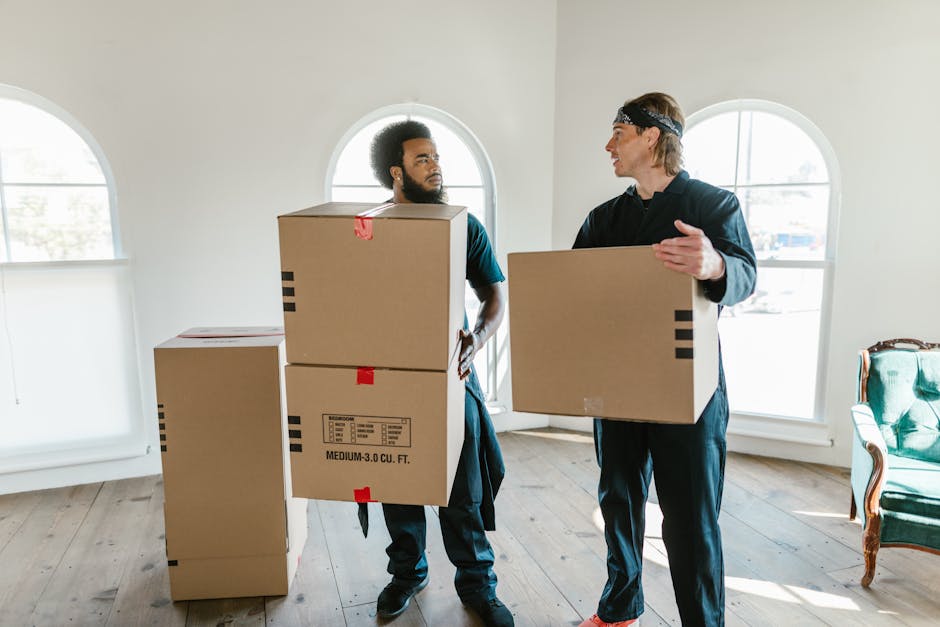
Moving near Farthing Downs in Coulsdon can feel deceptively simple. It's still a local move, after all. But once you start thinking about narrow residential roads, parking, stairwells, family routines, and the odd weather wobble, the job quickly becomes more than "just hire a van and get on with it." This Moving to Farthing Downs Coulsdon local removals guide is here to make the process calmer, clearer, and far more manageable.
Whether you're shifting a flat, a family home, or a small business nearby, the right removals approach saves time, reduces stress, and protects your belongings. In the sections below, you'll find practical planning steps, local-moving advice, comparison points, and a checklist you can actually use on moving day. No fluff. Just the sort of detail that helps when boxes are stacked in the hallway and the kettle has mysteriously disappeared.
Why Moving to Farthing Downs Coulsdon local removals guide Matters
Farthing Downs sits in a part of Coulsdon that attracts people looking for green space, quieter streets, and a more relaxed feel without losing access to London connections. That mix is a big part of the appeal, but it also shapes how a move needs to be handled. Local removals are rarely about long-distance logistics; they're about timing, access, and knowing the area well enough to avoid avoidable friction.
In practical terms, the main reason this matters is simple: local moves can still go wrong if the basics are rushed. A removal team may need to manage parking constraints, protect floors in older homes, or work around limited access at certain times of day. If you're moving with children, pets, or a tight completion schedule, even a short move can feel intense. Truth be told, that's where a well-planned local removals service earns its keep.
There's also the emotional side. Moving within the same district can feel less dramatic than relocating across the country, but it can be oddly disorienting. You know the area, yet your daily routine changes overnight. The good news? A structured removals plan keeps the day feeling orderly, even when there are boxes everywhere and somebody has packed the phone charger in a box marked "misc." Classic.
How Moving to Farthing Downs Coulsdon local removals guide Works
A good local move follows a fairly predictable pattern, but each stage needs a bit of attention. The process usually starts with an estimate or survey, where the removal company assesses what needs to be moved, how much packing support you need, and whether there are access issues at either property.
From there, the move is usually scheduled around your completion date or preferred moving day. For local removals in Coulsdon, the team may arrive with a removal van, man with a van support, or a larger vehicle depending on the volume and fragility of the load. Some moves need simple loading and transport. Others need more careful handling, dismantling, wrapping, and reassembly.
Once loading begins, the move becomes a sequence of small decisions: which items go first, how to protect furniture corners, where to place fragile boxes, and whether anything should travel separately for safety. That part sounds minor until you're halfway through it. Then it suddenly matters a lot. After delivery, placement is just as important as unloading. A competent crew will place items in sensible rooms, check for damage, and keep the process moving rather than leaving you to shuffle furniture around for the next three hours.
If you'd like a broader overview of the services available, you can also explore the site's removal services and see how they fit with different move types.
Key Benefits and Practical Advantages
Local removals near Farthing Downs have some real advantages when they're handled properly. The biggest one is control. Because the distance is short, you can often build a move around your own schedule more easily than with a long-haul relocation. That makes it easier to coordinate keys, cleaning, child care, and those awkward final handovers.
Another benefit is flexibility. If you only need help with furniture, boxes, or the heavier items you'd rather not wrestle down a stairwell, a smaller setup may be enough. That's where services like man and van or man and van removals can make sense for smaller moves, student-style loads, or short-notice jobs.
You also gain practical peace of mind. A local move can be finished more quickly, which means less disruption to work, school runs, and the general household chaos that comes with moving day. There's something comforting about seeing the last box go in before lunch. It lowers the temperature in the room, literally and emotionally.
Other clear advantages include:
- less travel time and lower overall disruption
- easier coordination of arrival and delivery windows
- simpler back-and-forth if you need to collect forgotten items
- better fit for partial loads or single-item moves
- more straightforward communication on the day
If sustainability matters to you, it's also worth thinking about how a company handles packing waste, reuse, and disposal. A responsible provider will be able to talk sensibly about materials, recycling, and disposal routes. You can review the company's recycling and sustainability approach if you want to understand that side in more detail.
Who This Is For and When It Makes Sense
This guide is for anyone moving to, from, or around Farthing Downs and the wider Coulsdon area who wants a practical, low-stress approach. It's especially relevant if you're moving from one local postcode to another, downsizing, upsizing, or trying to fit a move into a very tight window.
It makes the most sense for:
- homeowners completing on a property in the local area
- renters moving between flats or houses nearby
- families needing careful handling of furniture and children's belongings
- older residents who prefer support with lifting and transport
- people needing a same-day local move with minimal fuss
- small businesses relocating offices or workspaces nearby
If you're moving a business rather than a home, the logistics change quite a bit. Timing becomes more important, and the pressure to avoid downtime rises fast. In those cases, commercial moves or office removals may be the better fit, depending on how much equipment and furniture need to move.
To be fair, not every move needs a full-scale team. A single sofa, a few heavy boxes, or a short-distance relocation may be better handled by a smaller vehicle and a couple of experienced movers. That's one reason people compare removals near me options before booking. It gives you a sense of scale before you commit.
Step-by-Step Guidance
If you want a move to go smoothly, don't think in terms of "moving day" only. Think in stages. That's the difference between scrambling and staying in control.
1. Start with a realistic inventory
List the major furniture, boxes, fragile items, and anything awkward like mirrors, bikes, or appliances. You do not need to make it a masterpiece. A sensible list is enough. The main aim is to avoid underestimating how much space and handling the load will need.
2. Check access at both properties
Look at parking, steps, gates, narrow hallways, and lift access. If the van can't park close enough, loading takes longer and the whole day becomes heavier than it should be. A good removals team will ask about this early, but it helps if you've already thought it through.
3. Decide what needs packing help
Some people are happy to pack books and kitchenware themselves but want help with delicate items or awkward furniture. That's perfectly normal. If you'd rather not spend your evenings surrounded by tape and labels, a service like packing and unpacking services can save a surprising amount of energy.
4. Match the vehicle to the job
The right vehicle matters more than people expect. A small job may suit a moving van, while a fuller household move may call for a larger moving truck. Picking too small a vehicle means multiple trips. Picking too large can be wasteful. Balance is the trick.
5. Label rooms, not just boxes
Use clear room labels like "kitchen," "main bedroom," and "study." Room-based labels are more useful than vague notes like "miscellaneous 2," which sounds tidy until you have no idea where the toaster went.
6. Protect the essentials separately
Keep documents, chargers, medication, keys, snacks, and a change of clothes somewhere you can reach quickly. On moving day, those things save your sanity. Seriously.
7. Confirm arrival, timing, and responsibilities
Before the day, agree on arrival time, how long the move is expected to take, what happens if completion is delayed, and who is responsible for dismantling or reassembly. Clear expectations prevent a lot of unnecessary friction.
Expert Tips for Better Results
In our experience, the best local moves are the ones where small details are handled early. A few thoughtful choices can make the whole day feel calmer and more professional.
First tip: pack heavier items in smaller boxes. A box full of books looks innocent until someone has to lift it from the floor. Better to spread the weight and preserve everybody's backs.
Second tip: keep a photo of your furniture setup before dismantling anything. It sounds obvious, but once bed frames and shelving are taken apart, memory gets fuzzy fast.
Third tip: check whether you need help with single items or mixed loads. If you only have a few bulky pieces, a man with van removal setup may be more practical than booking a larger team.
Fourth tip: move valuables and sentimental items yourself if you can. Not because removals teams can't handle them, but because you'll relax more knowing the really irreplaceable bits are with you.
Fifth tip: build in a buffer. Even a local move can hit delays from traffic, weather, or access hiccups. A 20-minute cushion can feel like luxury when everyone is getting tired.
And one more thing: ask sensible questions. Good removal companies expect them. Insurance cover, vehicle size, loading method, and floor protection are not awkward questions. They're normal questions. The useful ones.
Common Mistakes to Avoid
People usually don't run into trouble because they are careless. More often, they simply underestimate the moving process. Here are the mistakes that come up again and again.
- Booking too late: local moves still fill up, especially around weekends, school holidays, and month-end.
- Misjudging volume: a small flat can pack into far more than expected once cupboards are emptied.
- Ignoring access problems: stairs, parking restrictions, and long carries can change the whole plan.
- Poor labelling: boxes without clear room labels slow everything down at the new property.
- Forgetting essentials: documents, toiletries, chargers, and pet items often go missing in the rush.
- Choosing only on price: the cheapest option is not always the best value if it leads to delays or damage.
A very human mistake is assuming "it's only down the road" so the preparation can be lighter. Sometimes that works. Often it doesn't. A short-distance move still involves time, lifting, coordination, and a bit of grit.
Tools, Resources and Recommendations
You don't need fancy systems to organise a move, but a few simple tools make life much easier. A notepad, permanent marker, packing tape, bubble wrap or blankets, and a phone camera will do a lot of the heavy lifting before the van even arrives.
Here's a practical set of recommendations:
- Box labels: use bold room names and a short contents note.
- Inventory list: keep one master list on paper or your phone.
- Protective wraps: use for mirrors, lamps, TV screens, and table corners.
- Tool kit: keep screwdrivers, Allen keys, and fixings in one clearly marked bag.
- Cleaning kit: useful for both the old and new property.
- Payment details: make sure you understand the payment process and timing ahead of the day.
If you want to understand booking, deposits, or card payment expectations, the site's payment and security information is a sensible place to check. If you're comparing providers more broadly, the pricing and quotes page may also help you understand how quotes are typically approached.
You can also read more about the company itself via the about us page if you want a sense of who is handling your move and how they work. That kind of context matters more than people think. Trust is not fluff when someone is carrying your furniture down a tight staircase.
Law, Compliance, Standards, or Best Practice
For most household moves, the main compliance concerns are straightforward: safe lifting, responsible driving, clear terms, and proper handling of belongings. You do not need to become an expert in transport law to book a removals service, but it is wise to know what good practice looks like.
At a minimum, a reputable moving provider should be able to explain:
- how items are loaded and secured safely
- what level of insurance or cover is available
- how claims or complaints are handled
- what items are excluded or require special handling
- how health and safety is managed during loading and unloading
If a company has clear policies, that is usually a reassuring sign. A published health and safety policy and insurance and safety information suggest an organised approach rather than a casual one. You don't need glossy promises. You need clarity.
It's also worth checking the terms and conditions before booking. That's where you'll usually find the practical bits people forget to ask about: cancellations, delays, liability, and what happens if access isn't as described. No one loves reading terms, let's face it, but this is one of those times where ten minutes of attention can save a headache later.
If anything ever does go wrong, a proper provider should also have a route for handling it. The complaints procedure exists for a reason. Best practice is not just doing the move well; it's handling issues fairly if they arise.
Options, Methods, or Comparison Table
Different moves need different setups. Here's a simple comparison to help you decide what may fit your situation best.
| Option | Best for | Strengths | Trade-offs |
|---|---|---|---|
| Man and van | Small flats, single rooms, short local jobs | Flexible, cost-conscious, quick to arrange | Less suitable for larger furniture loads or full-house moves |
| Moving van | Medium-sized household loads | Good balance of capacity and manoeuvrability | May need more loading organisation |
| Moving truck | Larger family homes or fuller inventories | More space, fewer trips, better for bulky items | Can be harder to park or position in tight streets |
| Full removals service | Busy households, complex access, higher-value items | More support, less stress, better coordination | Usually the most expensive option, though often the most complete |
If you're not sure where you land, that's normal. Many people start thinking they need the smallest possible service, then realise their wardrobe, bed frame, sofa, and three boxes of kitchen gear say otherwise. A quick, honest inventory clears that up fast.
Case Study or Real-World Example
Here's a realistic example from a typical local move near Coulsdon. A couple moving from a two-bedroom flat to a small house near Farthing Downs thought they only needed a basic van. Once they listed everything, they realised they had two beds, a dining table, garden items, several boxes of books, and a few fragile lamps. Nothing outrageous, but enough to change the plan.
They also had a slightly awkward access point at the flat: one set of stairs, tight hallway turns, and limited parking outside. That meant the move would be smoother with careful loading and a vehicle that matched the amount of furniture rather than the amount of optimism. They booked a house removals service, kept their essentials bag separate, and packed room labels properly. The result was a steady, unhurried move with far less backtracking.
The useful lesson is simple. Once the practical details are visible, the right service choice becomes obvious. A move that looks small on paper can still be a proper job on the day. That's especially true when there are stairs, delays, or fragile items in the mix.
Practical Checklist
Use this checklist as you get closer to moving day.
- Confirm your moving date and time window
- Check access at both properties
- Measure large furniture and awkward items
- Decide what you will pack yourself
- Label boxes by room and priority
- Keep documents, keys, medication, and chargers separate
- Protect fragile items with suitable wrapping
- Disassemble furniture only if needed, and keep fixings together
- Notify the removals team of any access or parking concerns
- Review payment details and booking terms
- Arrange help for children or pets if needed
- Do a final sweep of cupboards, loft areas, and behind doors
And yes, do one last check of the bathroom cabinet. That is where the smallest, most necessary items always seem to hide.
Get a free quote today and see how much you can save.
Conclusion
Moving to Farthing Downs in Coulsdon should feel like a fresh start, not a logistical migraine. With the right local removals plan, you can keep the day organised, protect your belongings, and settle into your new place with a lot less strain. The key is to think ahead just enough: inventory, access, vehicle size, packing, and the small details that make a big difference.
If you're comparing options, keep it practical. Choose the service that fits the shape of your move, not just the headline price. That approach usually saves more time, money, and stress in the end. And once the boxes are in place and the kettle is back on, the whole thing feels a lot more manageable. A proper relief, really.
Frequently Asked Questions
What is the best removals option for moving to Farthing Downs Coulsdon?
It depends on the size of your move. Smaller flats or partial loads may suit a man and van setup, while fuller households often need a moving van or larger removals service. The best choice is the one that matches your volume, access, and timing.
How far in advance should I book a local removals company?
As soon as you know your moving date, ideally. Local moves can still book up quickly around weekends and month-end periods, so leaving it until the last minute can limit your options.
Do I need a full packing service for a local move?
Not always. Many people pack most items themselves and only request help for fragile, bulky, or time-consuming belongings. A partial packing approach can be a good middle ground.
Is a man and van service enough for a move near Farthing Downs?
Sometimes yes, especially for smaller households, flat moves, or short-distance transport. But if you have a larger furniture set or multiple rooms of belongings, a larger vehicle or full removals service may be more suitable.
How can I reduce moving day stress?
Label boxes clearly, keep essentials separate, check access in advance, and agree timings early with the removals team. A little prep goes a long way. More than people expect, honestly.
What should I ask before booking a removals company?
Ask about vehicle size, insurance or cover, loading support, payment terms, and what happens if access is more difficult than expected. Those are practical questions, not awkward ones.
Can removals teams help with furniture dismantling?
Some can, depending on the service you book. It is best to confirm this beforehand, especially for beds, wardrobes, and larger shelving units.
What happens if the new property is not ready on time?
That depends on the company's terms and the circumstances on the day. This is why it helps to review the booking conditions in advance and keep the removals team updated if anything changes.
Should I move valuables myself?
Yes, if possible. Items such as passports, jewellery, small electronics, and sentimental keepsakes are often safest when carried personally rather than packed into the main load.
How do I know if a removals company is trustworthy?
Look for clear service information, published policies, sensible communication, and a straightforward booking process. Helpful pages like insurance and safety and about us can give you a better feel for how the company operates.
Can I book removals for just one or two items?
Yes, many local movers handle single-item or small-load jobs. This can be useful for furniture pick-ups, a sofa move, or other one-off transport needs.
What is the most common mistake people make with local house moves?
The most common one is underestimating how much needs to be moved and how long loading takes. Even a nearby move can stretch out if access is tight or boxes are not organised well.
If you are planning a move in or around Coulsdon, it pays to keep things simple, clear, and realistic. That's usually the sweet spot. Calm plan, good help, fewer surprises.